This content is for informational purposes only and is not medical advice. Collagenium is published by a research-driven editorial team, not licensed medical professionals — see our editorial standards and methodology. Consult a registered dietitian, physician, or pharmacist before starting any supplement, especially if you have existing health conditions, are pregnant or breastfeeding, or take medications.
Before collagen supplements became popular, people got their collagen from food. Traditional diets around the world have long included collagen-rich foods like bone broth, slow-cooked meats with connective tissue, and dishes using animal skin. Today, many people are returning to these foods or looking for ways to support collagen production through diet.
In this guide, I’ll cover both foods that contain collagen directly and foods that help your body produce collagen naturally. Understanding the difference is important for making informed dietary choices. If you’re new to collagen, start with our Collagen 101 Complete Guide.
Understanding Collagen in Food
Collagen is a protein found exclusively in animals. It’s concentrated in connective tissues, skin, bones, and cartilage. When you eat foods containing collagen, the protein is broken down during digestion into amino acids and smaller peptides, which your body can then use to build its own collagen and other proteins.
This is actually the same mechanism by which collagen supplements work. Hydrolyzed collagen (collagen peptides) is simply collagen that has been pre-broken down into smaller pieces for easier absorption. The collagen in food gets broken down by your digestive system instead.
There’s an important distinction to make between foods that contain collagen directly and foods that support your body’s collagen production. Both are valuable, and a diet that includes both approaches gives your body the best support.
Foods High in Collagen
These foods contain actual collagen protein. Including them regularly can contribute to your collagen intake.
Bone broth is perhaps the most well-known collagen-rich food. When animal bones are simmered for hours, collagen from the bones, marrow, and connective tissues dissolves into the liquid. The result is a gelatin-rich broth that provides collagen along with other beneficial compounds. Homemade bone broth simmered for 12-24 hours typically contains more collagen than store-bought versions, though quality commercial bone broths can also be good sources.
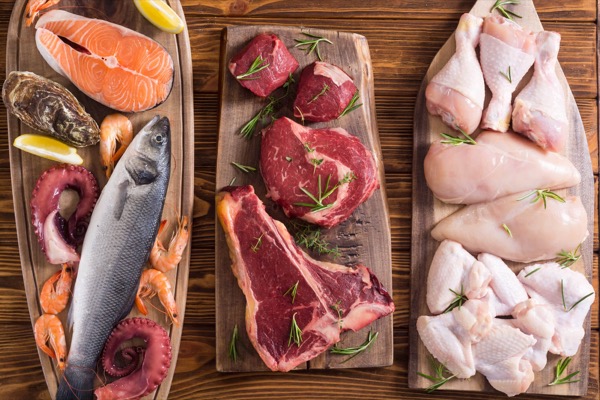
Chicken is a significant collagen source, particularly the skin, cartilage, and darker cuts with connective tissue. The skin especially is rich in Type I and III collagen. Dishes that use the whole chicken, including bones and connective tissue, provide more collagen than boneless, skinless chicken breast.
Fish and seafood contain collagen primarily in the skin, scales, and bones. Fish with edible skin, or dishes that incorporate fish bones in stock, provide dietary collagen. The collagen in fish is primarily Type I, the same type most abundant in human skin. This is why marine collagen supplements come from fish.
Pork skin, sold as chicharrones or pork rinds when fried, is extremely high in collagen. It’s essentially concentrated connective tissue. While not the healthiest food in large quantities due to the frying process, pork skin in moderate amounts provides substantial collagen.
Beef cuts with connective tissue, like oxtail, short ribs, chuck roast, and shank, contain significant collagen. These cuts require long, slow cooking methods (braising, slow-cooking) that break down the collagen into gelatin, making the meat tender and the cooking liquid rich in collagen.
Gelatin is essentially cooked collagen. It’s made by processing animal collagen, usually from skin and bones. Gelatin-based foods like homemade gello, marshmallows, and certain gummy candies contain collagen, though often in small amounts relative to serving size.
Foods That Support Collagen Production
Your body constantly produces collagen, and this process requires specific nutrients. Even if you’re taking collagen supplements or eating collagen-rich foods, your body needs these supporting nutrients to effectively produce and maintain collagen.
Vitamin C is the most critical nutrient for collagen synthesis. Without adequate vitamin C, your body cannot properly form collagen fibers. This is why scurvy, caused by severe vitamin C deficiency, results in connective tissue breakdown. Excellent sources include citrus fruits, strawberries, bell peppers, kiwi, broccoli, and Brussels sprouts. Just one medium orange provides enough vitamin C for the day.
Protein-rich foods provide the amino acids that serve as building blocks for collagen. Collagen is made from amino acids including glycine, proline, and hydroxyproline. These amino acids come from dietary protein. Good sources include meat, poultry, fish, eggs, dairy, legumes, and soy products. A diet adequate in protein overall supports collagen production.
Zinc is essential for collagen synthesis and wound healing. Oysters are by far the richest source, but beef, crab, lobster, pork, beans, and pumpkin seeds are also good sources. Zinc deficiency can impair collagen production.
Copper is another mineral involved in collagen formation. It helps activate enzymes necessary for mature collagen fiber development. Shellfish, nuts, seeds, organ meats, and whole grains provide copper.
Sulfur-containing foods support collagen structure. Garlic, onions, and cruciferous vegetables like broccoli and cabbage are good sources of sulfur compounds that may support collagen health.
Antioxidant-rich foods protect existing collagen from damage. Oxidative stress breaks down collagen, so foods high in antioxidants, including colorful fruits and vegetables, green tea, and dark chocolate, help preserve collagen in your body.
Collagen-Boosting Foods for Specific Goals
Different foods may be particularly relevant depending on your health goals.
For skin health, focus on foods providing Type I collagen (fish, bone broth) along with vitamin C-rich foods and antioxidant-rich colorful produce. Fatty fish like salmon also provide omega-3 fatty acids, which support skin hydration and may protect against sun damage.
For joint health, include bone broth and dishes with cartilage, which provide Type II collagen found in joints. Foods with anti-inflammatory properties, like fatty fish, walnuts, and leafy greens, may also support joint comfort.
For gut health, bone broth is particularly popular due to its gelatin content. The gelatin in well-made bone broth may support the gut lining, though research specifically on bone broth for gut health is limited.
For overall collagen support, variety is key. Include multiple collagen sources and ensure adequate intake of vitamin C, protein, zinc, and copper through diverse, whole foods.
What About Vegetarians and Vegans?
Here’s an important point: collagen is found only in animals. There is no plant-based collagen. If you follow a vegetarian or vegan diet, you cannot get collagen directly from food.
However, you can eat foods that support your body’s collagen production. Focus on adequate protein from plant sources like legumes, tofu, tempeh, and seitan. Ensure excellent vitamin C intake from fruits and vegetables. Include zinc-rich foods like pumpkin seeds, lentils, and chickpeas. Get copper from nuts, seeds, and whole grains.
For vegetarians who eat eggs and dairy, these provide high-quality protein with the amino acids used in collagen production, though they don’t contain collagen itself.
Some supplements market “vegan collagen” or “plant-based collagen,” but these are typically collagen-boosting nutrients, not actual collagen. Some newer biotechnology approaches use genetically modified yeast or bacteria to produce actual collagen without animal sources, though these products are still emerging.
If collagen is important to you and you follow a plant-based diet, you might consider whether your dietary choices allow for collagen supplements made from animal sources. This is a personal decision based on your individual values and priorities.
How Food Collagen Compares to Supplements
A common question is whether you can get enough collagen from food or whether supplements are necessary.
Collagen from food and supplements works through the same basic mechanism. Both provide collagen that gets broken down into amino acids and peptides during digestion. The main differences are concentration and convenience.
Collagen supplements provide a concentrated, measured dose. A typical serving of collagen powder provides 10-20 grams of collagen. To get that much collagen from bone broth alone, you’d need to consume significant quantities daily.
Food provides collagen along with other nutrients. When you eat chicken with skin or make bone broth, you’re getting more than just collagen. The whole-food matrix may provide benefits that isolated supplements don’t.
Many people find that combining both approaches works best. Enjoy collagen-rich foods as part of your regular diet, and use supplements to ensure consistent, adequate collagen intake. This isn’t an either/or choice.
If you rely solely on food for collagen, be realistic about how much you’re actually consuming. Occasionally eating chicken with the skin or having bone broth once a week isn’t comparable to daily supplementation in terms of collagen quantity.
Practical Tips for Getting More Collagen from Food
If you want to increase collagen intake through food, here are practical strategies.
Make bone broth a regular part of your routine. Use it as a base for soups and stews, cook grains in it, or simply drink it warm. Making your own ensures quality; simmer bones for at least 12 hours for maximum collagen extraction.
Choose meat cuts with connective tissue and cook them low and slow. Braised oxtail, slow-cooker pot roast, and stewed chicken thighs with skin all provide more collagen than quick-cooked lean cuts.
Leave the skin on chicken and fish when cooking. The skin is where much of the collagen resides. Crispy chicken skin or salmon with skin provides significant collagen.
Include gelatin in recipes. Homemade gummies, panna cotta, and other gelatin-based foods contribute to collagen intake. Look for quality gelatin from grass-fed sources.
Eat the whole animal approach. Traditional cuisines often use more parts of the animal than modern Western diets. Dishes incorporating bones, skin, and connective tissue provide collagen that boneless, skinless cuts don’t.
Don’t forget the supporting nutrients. All the collagen in the world won’t help if you’re deficient in vitamin C. Ensure your diet includes plenty of fruits, vegetables, and other foods that support collagen production.
The Bottom Line
Both collagen-rich foods and collagen-boosting foods play roles in supporting your body’s collagen. Foods like bone broth, chicken skin, fish, and slow-cooked meats with connective tissue provide actual collagen. Foods rich in vitamin C, protein, zinc, and copper support your body’s ability to produce collagen.
For optimal collagen support, include both types of foods in your diet. Traditional diets that incorporated the whole animal, including collagen-rich parts, may have provided more dietary collagen than typical modern diets of boneless, skinless cuts.
Whether food alone provides enough collagen depends on your individual diet and goals. Many people find that supplementation offers a more convenient and measurable way to ensure adequate collagen intake, especially if their diet doesn’t regularly include collagen-rich foods.
The best approach is often combining dietary collagen sources with supplementation and ensuring adequate intake of the nutrients that support collagen production. This comprehensive strategy gives your body the best resources for maintaining healthy collagen.
Want to learn more? Explore our related guides:
- Collagen 101: Everything You Need to Know
- Collagen Benefits: What Research Shows
- Best Collagen Supplements
- Bovine Collagen Guide
- Marine Collagen Guide
- What to Avoid When Taking Collagen
Have questions about collagen and nutrition? I’m happy to share general information. For personalized dietary advice, especially if you have health conditions or dietary restrictions, please consult with a registered dietitian or healthcare provider.
Frequently asked questions
What foods are highest in collagen?
Bone broth, chicken skin, pork skin, fish skin, and animal connective tissues are highest in collagen. These foods contain actual collagen protein from animal sources.
Can you get enough collagen from food alone?
It's possible to get collagen from food, but many people find it difficult to consume enough collagen-rich foods regularly. Supplements provide a convenient, concentrated source.
What foods help your body make collagen?
Foods high in vitamin C (citrus, berries, peppers), protein (meat, fish, eggs, legumes), zinc (oysters, beef, pumpkin seeds), and copper (shellfish, nuts) support collagen production.
Are there vegan foods with collagen?
No, collagen is only found in animals. However, vegans can eat foods that support collagen production, like vitamin C-rich fruits and vegetables, legumes, nuts, and seeds.
Sources
Every health claim in this article is traceable to a primary source. See our editorial standards.
- 1.
- 2.
- 3.

Collagenium Research Team
Research-driven editorial teamEditorial & Research Team
The Collagenium Research Team synthesizes peer-reviewed studies on collagen, skin health, and connective-tissue science into reader-friendly guides. We cite every claim and are not licensed medical professionals — see /methodology/ for our editorial standards.