This content is for informational purposes only and is not intended as medical advice. The author is a licensed cosmetologist, not a medical professional.
If you’ve researched collagen and aging, you may have encountered the term “collagen cross-linking.” It sounds technical, and it is, but understanding this concept helps explain why collagen deteriorates with age and what you can do about it.
In this guide, I’ll explain what collagen cross-linking means, why it matters for your skin and joints, and how lifestyle factors influence this process. For foundational collagen knowledge, start with our Collagen 101 Complete Guide.
What Is Collagen Cross-Linking?
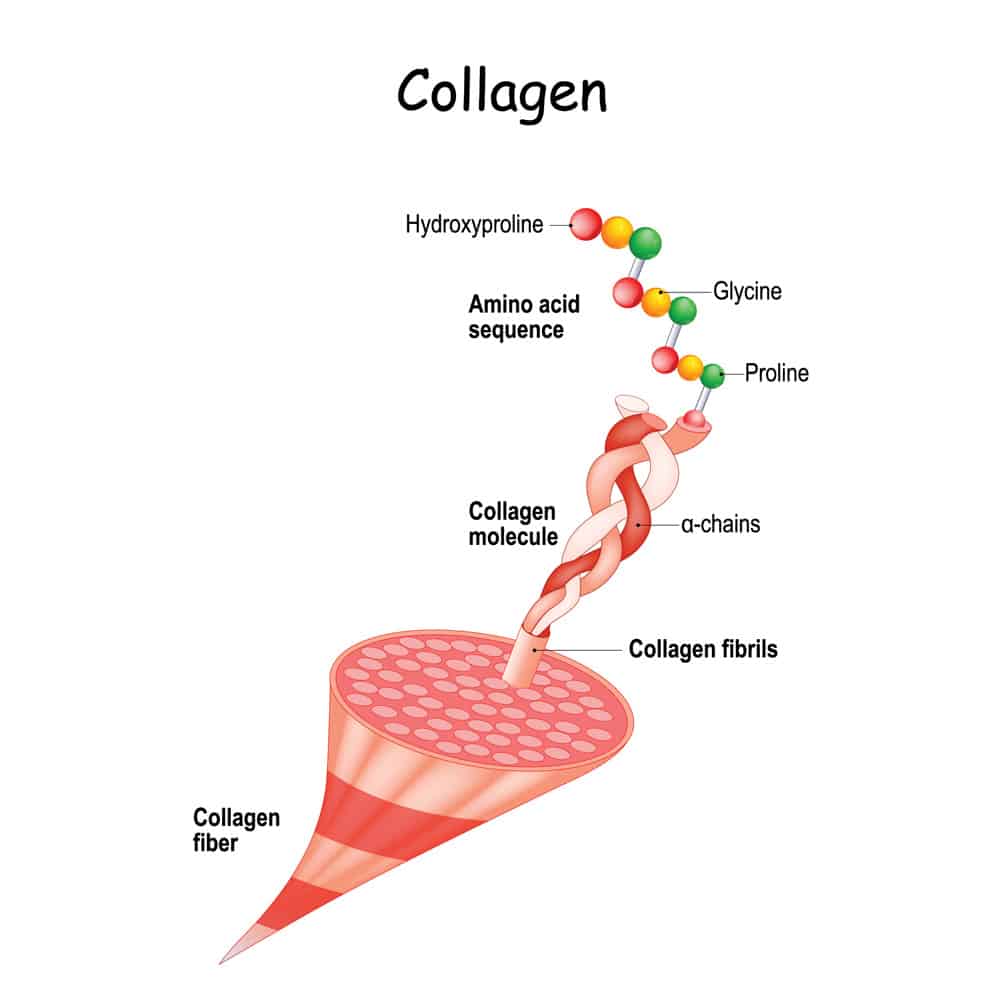
Collagen molecules don’t work alone. Individual collagen molecules are relatively weak by themselves. Their strength comes from being woven together into fibers, and these fibers are held together by chemical bonds called cross-links.
Think of it like rope. A single strand of fiber isn’t very strong, but weave many strands together and bind them, and you get a rope that can hold tremendous weight. Collagen cross-links are the “binding” that turns individual collagen molecules into strong, functional fibers.
Cross-linking is a normal, essential process. Your body deliberately creates cross-links through enzymatic processes to give collagen its strength and stability. Without cross-links, collagen couldn’t perform its structural functions in skin, tendons, bones, and other tissues.
Good Cross-Links vs. Bad Cross-Links
Here’s where it gets important: not all cross-links are created equal.
Enzymatic cross-links are the good kind. These are formed intentionally by your body through enzyme-controlled processes. They develop as collagen matures and are essential for proper collagen function. Young, healthy collagen has appropriate enzymatic cross-links that provide strength while maintaining flexibility.
Non-enzymatic cross-links are the problematic kind. These form through chemical reactions that happen spontaneously, without enzymatic control. The most significant source is glycation, where sugar molecules attach to collagen and create cross-links called advanced glycation end products (AGEs). These cross-links make collagen stiff, brittle, and dysfunctional.
As we age, non-enzymatic cross-links accumulate while the body’s ability to produce fresh, properly cross-linked collagen decreases. This shift contributes to many signs of aging.
How Cross-Linking Affects Skin
In skin, the balance of collagen cross-links significantly impacts appearance and function.
Young skin has collagen with appropriate enzymatic cross-links. The fibers are strong but flexible, allowing skin to stretch and bounce back. This is why young skin feels supple and resilient.
Aged skin accumulates glycation cross-links and other non-enzymatic bonds. The collagen becomes stiffer and less able to absorb stress. This contributes to:
- Reduced elasticity and “bounce”
- Increased wrinkling and sagging
- Thinner, more fragile skin
- Decreased ability to heal and regenerate
Sun damage accelerates this process. UV radiation both breaks down existing collagen and promotes abnormal cross-linking in the remaining collagen. This is why sun-damaged skin ages faster than protected skin.
Cross-Linking in Joints and Cartilage
Collagen cross-linking also affects joint health. Cartilage contains Type II collagen that requires proper cross-linking to function as a shock absorber and smooth gliding surface.
As cartilage ages and accumulates abnormal cross-links, it becomes stiffer and more brittle. This reduced flexibility makes cartilage less able to cushion joints during movement and more susceptible to damage.
Research has found higher levels of glycation cross-links in cartilage from people with osteoarthritis compared to healthy cartilage. While this doesn’t prove causation, it suggests that cross-link accumulation may contribute to joint deterioration.
Maintaining healthy collagen cross-linking through diet and lifestyle may help preserve joint function, though once significant damage occurs, supplements and lifestyle changes have limitations.
What Causes Harmful Cross-Linking?
Several factors promote the accumulation of damaging collagen cross-links:
High blood sugar is the primary driver of glycation. When blood sugar is elevated, glucose molecules have more opportunity to attach to collagen and form AGE cross-links. This is why people with diabetes often experience accelerated aging of skin and connective tissues.
Dietary AGEs can be absorbed from food. Cooking methods that use high heat and dry conditions (grilling, frying, roasting) create AGEs in food. While the extent to which dietary AGEs contribute to tissue AGEs is debated, reducing dietary AGE intake is generally considered prudent.
UV radiation promotes cross-linking and collagen damage through multiple mechanisms. Sun protection is one of the most effective ways to preserve healthy collagen structure.
Smoking generates oxidative stress and introduces compounds that promote abnormal cross-linking. Smokers consistently show more aged collagen than non-smokers of the same age.
Oxidative stress from various sources can promote collagen cross-linking. Antioxidants may help protect against this damage.
Can You Reverse Collagen Cross-Linking?
This is a question many people ask, and the honest answer is complicated.
Normal enzymatic cross-links aren’t something you’d want to reverse—they’re essential for collagen function. Breaking these cross-links would weaken your collagen, not improve it.
Glycation cross-links (AGEs) are much harder to break down. Once formed, these cross-links are quite stable. Your body has limited ability to remove them, which is why they accumulate over time.
Research into compounds that might break glycation cross-links is ongoing, but no proven, safe treatments exist for reversing existing AGE cross-links in humans. Prevention is currently more practical than reversal.
Protecting Your Collagen Cross-Links
While you can’t undo existing damage, you can protect your collagen from further harmful cross-linking.
Manage blood sugar. Keeping blood sugar in healthy ranges reduces glycation. This means:
- Limiting refined carbohydrates and added sugars
- Eating fiber with carbohydrates to slow absorption
- Maintaining healthy body weight
- Regular physical activity
Protect from UV. Daily sunscreen and sun-protective habits prevent UV-induced collagen damage. This is arguably the most impactful thing you can do for your skin’s collagen.
Don’t smoke. Smoking accelerates collagen cross-linking and overall collagen deterioration. Quitting smoking allows your body to better maintain healthy collagen.
Eat antioxidant-rich foods. Colorful fruits and vegetables provide antioxidants that may help protect collagen from oxidative damage.
Support new collagen production. While you can’t fix damaged collagen, you can support the production of new, healthy collagen through adequate protein, vitamin C, and potentially collagen supplementation. For more on supporting collagen production, see our Collagen-Rich Foods guide.
The Bottom Line
Collagen cross-linking is a double-edged sword. Normal enzymatic cross-links are essential for collagen strength and function. Abnormal cross-links from glycation and other processes make collagen stiff and dysfunctional, contributing to aging.
While reversing existing glycation cross-links isn’t currently possible, you can limit further damage through lifestyle choices: managing blood sugar, protecting from sun damage, not smoking, and supporting your body’s production of new, healthy collagen.
Understanding cross-linking helps explain why collagen deteriorates with age and why certain lifestyle factors have such significant impacts on skin and joint health. It’s not just about having collagen—it’s about having collagen with the right structure to function properly.
Want to learn more? Explore our related guides:
- Collagen 101: Everything You Need to Know
- Collagen for Skin
- Collagen Benefits: What Research Shows
- What to Avoid When Taking Collagen
- Collagen-Rich Foods
Have questions about collagen science? I’m happy to share general information. For medical concerns about aging or joint conditions, consult with a healthcare provider.
Jenna Kowalski
Licensed Cosmetologist, 12+ years experienceLicensed Cosmetologist & Skincare Specialist
Jenna Kowalski is a licensed cosmetologist with over 12 years of experience in skincare and aesthetic treatments. She specializes in anti-aging protocols, ingredient science, and evidence-based skincare routines.
View all articles