
This content is for informational purposes only and is not intended as medical advice. The author is a licensed cosmetologist, not a medical professional. Consult with a healthcare provider or dermatologist for personalized advice about loose skin concerns, especially after significant weight loss.
Loose skin is one of the most frustrating issues my clients face, whether from aging, weight loss, or pregnancy. Many turn to collagen supplements hoping for a solution. But can collagen actually help with loose skin? The honest answer is nuanced, and understanding what collagen can and cannot do will help you set realistic expectations.
In this guide, I’ll explain the relationship between collagen and skin elasticity, what research actually shows, and how to approach this issue practically. If you’re new to collagen supplementation, start with our Collagen 101 Complete Guide.
Why Skin Becomes Loose
To understand whether collagen can help, you first need to understand why skin becomes loose in the first place. There are several distinct causes, and they respond differently to various interventions.
Age-related skin laxity happens gradually as collagen and elastin production decline. Starting in our mid-20s, we produce roughly 1% less collagen each year. Over decades, this adds up. The skin becomes thinner, less hydrated, and loses its bounce. This type of skin looseness is usually mild to moderate and develops slowly.
Sun damage accelerates this process significantly. UV exposure breaks down collagen fibers and impairs the skin’s ability to produce new collagen. People with extensive sun exposure often experience more pronounced skin laxity than their actual age would suggest.
Weight loss, especially rapid or significant weight loss, creates a different situation. When someone loses a large amount of weight quickly, the skin that stretched to accommodate excess fat doesn’t always shrink back. This isn’t just about collagen; it’s about the skin’s structure being stretched beyond its ability to recover. The degree of loose skin after weight loss depends on factors including how much weight was lost, how quickly, the person’s age, genetics, and how long they carried the excess weight.
Pregnancy can cause similar stretching of abdominal skin, though many women’s skin does recover over time, especially with subsequent pregnancies and depending on genetic factors.
What Collagen Does for Skin
Collagen is the most abundant protein in your skin, making up about 75-80% of skin’s dry weight. It provides structure, strength, and support. Along with elastin, it gives skin its ability to stretch and bounce back.
When you take collagen supplements, the collagen is broken down during digestion into amino acids and small peptides. Research using labeled collagen peptides has shown that these peptides can accumulate in the skin. Once there, they may serve two functions: providing building blocks for new collagen production and potentially signaling skin cells to increase their own collagen synthesis.
Multiple studies have examined oral collagen supplementation and skin health. A 2014 study found that women taking collagen peptides for 8 weeks showed statistically significant improvements in skin elasticity compared to placebo. A 2015 study found improved skin hydration. A 2019 systematic review concluded that oral collagen supplementation shows promise for improving skin aging parameters.
These findings are encouraging, but they need to be understood in context.
What Research Actually Shows for Skin Firmness
The research on collagen and skin does show measurable improvements, but the improvements are modest rather than dramatic.
Studies typically measure skin elasticity using specialized instruments that assess how quickly skin bounces back when compressed or stretched. Improvements in these measurements translate to skin that feels slightly more resilient and springy. Some studies also show modest improvements in wrinkle depth and overall skin appearance.
What the research does not show is dramatic skin tightening or the ability to address significant loose skin. The improvements documented in studies would be described as subtle by most people. Your skin might feel more hydrated and slightly more elastic, but collagen supplements won’t make loose skin disappear.
It’s also worth noting that most skin studies involve women aged 35-60 experiencing normal age-related skin changes, not people with significant loose skin from major weight loss. The situations are quite different, and results may not transfer.
Collagen for Age-Related Skin Laxity
If your loose skin is primarily due to normal aging, collagen supplementation may provide some benefit. This is the scenario where the research is most applicable.
The gradual loss of collagen that comes with age contributes to skin that’s less firm and resilient. Supplementing with collagen peptides may help support your skin’s collagen content, potentially slowing or modestly improving age-related changes.
Realistic expectations for this situation include skin that feels more hydrated, slightly improved elasticity that you might notice when you touch your skin, and potentially modest improvements in fine lines and overall skin texture. These changes develop gradually over 8-12 weeks of consistent supplementation.
What you shouldn’t expect is a facelift effect or dramatic firming. If you have significant facial sagging or jowls, collagen supplements alone won’t address those concerns.
Collagen for Post-Weight Loss Loose Skin
This is where I need to be particularly honest. If you’ve lost a significant amount of weight and have substantial loose skin, collagen supplements are unlikely to solve the problem.
The issue with post-weight loss loose skin isn’t simply a lack of collagen. The skin has been stretched, sometimes for years or decades, and the structural changes go beyond what collagen supplementation can address. Factors that influence whether skin will bounce back after weight loss include your age, genetics, how much weight was lost, how quickly it was lost, and how long you carried the excess weight.
For minor loose skin after modest weight loss, maintaining skin hydration and elasticity through collagen supplementation might help your skin recover more fully. Younger people with good skin elasticity who lose weight gradually tend to have better outcomes.
For significant loose skin after major weight loss, particularly after losing 100+ pounds, surgical intervention (body contouring procedures) is often the only way to address the excess skin. This isn’t a failure; it’s simply the reality of what stretched skin can and cannot do.
That said, if you’re in the process of losing weight or have recently lost weight, supporting your skin health through collagen supplementation, hydration, and good nutrition is reasonable. It may help optimize whatever natural skin recovery is possible for your situation.
Supporting Skin Elasticity Beyond Collagen
Whether or not you take collagen supplements, several other factors significantly impact skin firmness and elasticity.
Sun protection is arguably the most important factor for maintaining skin collagen. UV damage breaks down existing collagen and impairs new collagen production. Daily sunscreen use and sun-protective habits prevent ongoing damage.
Hydration affects how firm and plump skin appears. Drinking adequate water and using hydrating skincare products helps skin look its best. Dehydrated skin looks more crepey and loose.
Nutrition matters because your body needs various nutrients to produce collagen. Vitamin C is essential for collagen synthesis. Adequate protein provides amino acids as building blocks. A balanced diet supports overall skin health.
Topical retinoids (retinol and prescription tretinoin) are among the most evidence-backed topical treatments for stimulating collagen production in skin. They work through different mechanisms than oral collagen and can complement supplementation.
Strength training can help by building muscle underneath loose skin. This doesn’t tighten the skin itself, but it can improve the appearance of areas with loose skin by providing more underlying structure.
For more on supporting skin health through collagen, see our Collagen for Skin guide.
How to Approach Collagen for Skin Firmness
If you want to try collagen for skin elasticity, here’s a practical approach.
Choose a quality hydrolyzed collagen from bovine or marine sources. Both provide Type I collagen, which is most relevant for skin. Look for third-party tested products from reputable brands. See our Best Collagen Supplements guide for specific recommendations.
Take it consistently. Studies showing skin benefits involved daily supplementation for 8-12 weeks. Sporadic use won’t produce results. Build collagen into your daily routine.
Support with vitamin C. Your body needs vitamin C to synthesize collagen. Ensure you’re getting adequate vitamin C through diet or supplementation.
Combine with other skin-supporting habits. Collagen alone won’t compensate for sun damage, poor hydration, or nutritional deficiencies. Take a comprehensive approach.
Have realistic expectations. You might notice your skin feels more hydrated and slightly more resilient. You won’t see dramatic tightening or elimination of significant loose skin.
When to Consider Other Options
For some people, collagen supplementation alone won’t achieve their goals, and that’s okay. Understanding when other interventions might be appropriate helps you make informed decisions.
If you have significant loose skin after major weight loss, consultation with a plastic surgeon about body contouring procedures may be appropriate. These surgeries can remove excess skin in ways that supplements cannot.
If you have pronounced facial sagging or jowls, professional treatments like radiofrequency procedures, ultrasound skin tightening, or surgical options may be more effective than supplements.
If you have loose skin that bothers you significantly, a dermatologist can help you understand your options and what’s realistic for your specific situation.
There’s no shame in recognizing that some aesthetic concerns require professional intervention. Supplements have their place, but they’re not a solution for everything.
The Bottom Line
Collagen supplements may provide modest support for skin elasticity and firmness, particularly for age-related skin changes. Research shows improvements in skin hydration, elasticity measurements, and overall skin appearance with consistent supplementation over 8-12 weeks.
However, collagen cannot dramatically tighten loose skin, especially significant loose skin after major weight loss. The structural changes involved in stretched skin go beyond what supplementation can address.
If you decide to try collagen for skin firmness, approach it with realistic expectations. You might notice your skin feels more hydrated and slightly more resilient. Combine supplementation with sun protection, adequate hydration, good nutrition, and appropriate skincare for the best results.
For significant loose skin concerns, consult with a dermatologist or plastic surgeon to understand what’s realistically achievable and what options might be appropriate for your situation.
Want to learn more? Explore our related guides:
- Collagen for Skin: Complete Guide
- Collagen 101: Everything You Need to Know
- Collagen Benefits: What Research Shows
- Best Collagen for Women
- Best Collagen Supplements
- The Ultimate Guide to Collagen Peptides
Have questions about collagen for skin? I’m happy to share my observations and general skincare information. For specific concerns about loose skin, especially after significant weight loss, please consult with a dermatologist or plastic surgeon who can evaluate your individual situation.
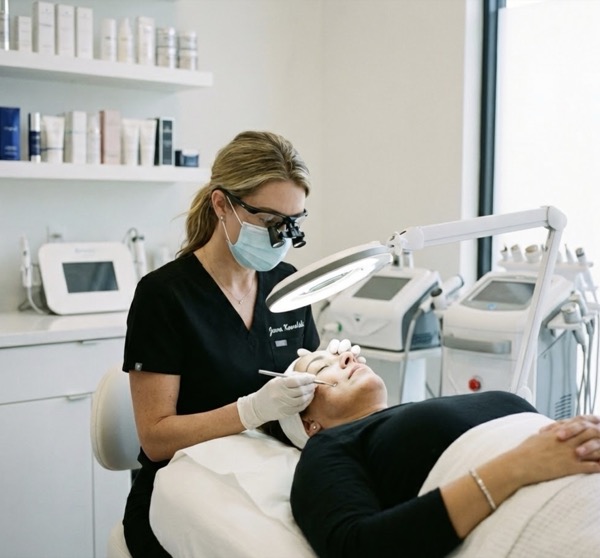
Jenna Kowalski
Licensed Cosmetologist, 12+ years experienceLicensed Cosmetologist & Skincare Specialist
Jenna Kowalski is a licensed cosmetologist with over 12 years of experience in skincare and aesthetic treatments. She specializes in anti-aging protocols, ingredient science, and evidence-based skincare routines.
View all articles