This content is for informational purposes only and is not intended as medical advice. The author is a licensed cosmetologist, not a medical professional.
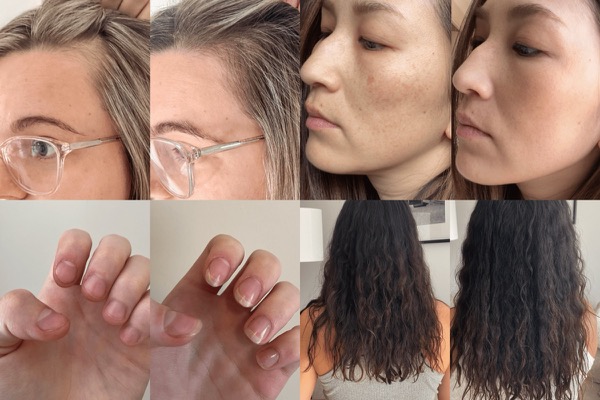
“What kind of results can I expect from collagen?” This is one of the most common questions I hear from clients. The internet is full of dramatic before-and-after photos claiming collagen transformations, but what does research actually show, and what should you realistically expect?
In this guide, I’ll walk you through an honest timeline of collagen results based on research and my observations from clients. I believe in setting realistic expectations so you can properly evaluate whether collagen is working for you.
The Reality of Collagen Results
Let me be direct: collagen supplements provide modest, gradual improvements for most people. They don’t create dramatic transformations, and the changes often happen slowly enough that you might not notice them unless you’re paying attention.
Research consistently shows statistically significant improvements in measures like skin hydration, skin elasticity, and wrinkle depth. But “statistically significant” doesn’t mean “dramatic.” These are measurable improvements that instruments can detect, but they may appear as subtle improvements in skin quality rather than obvious before-and-after differences.
Some people notice more pronounced results, especially if they started with significant collagen depletion. Others notice very little despite consistent use. Individual variation is significant, influenced by age, genetics, baseline collagen status, overall health, and other factors.
What Research Actually Shows
Let’s look at what clinical studies have documented:
Skin hydration: A 2015 study found significantly improved skin moisture after 8 weeks of collagen supplementation. Participants’ skin retained more water, making it feel more supple and less dry.
Skin elasticity: A 2014 study measuring skin elasticity in women aged 35-55 found improvements after 8 weeks. Skin bounced back better when tested with specialized instruments.
Wrinkle depth: Multiple studies have found modest reductions in wrinkle depth, particularly around the eyes. A 2019 systematic review confirmed that oral collagen shows promise for these outcomes.
Nail strength: A 2017 study found improvements in nail brittleness and growth rate after 24 weeks of collagen supplementation.
Joint comfort: A 24-week study in athletes found improved joint comfort during activity compared to placebo.
These are real, documented benefits. But notice the timeframes: 8 weeks minimum, often longer for some outcomes. And the improvements, while measurable, are consistently described as modest in the research.
Realistic Timeline: What to Expect When
Based on research and client experiences, here’s an honest timeline of what you might notice:
Weeks 1-2: The adjustment period
You likely won’t notice visible changes yet. Some people report feeling more satisfied after protein-rich meals (collagen is a protein). You might notice minor digestive changes as your gut adjusts. Focus on building the habit of consistent daily use.
Weeks 4-6: Subtle early signs
Some people begin noticing their skin feels slightly different—perhaps more hydrated or “plumper.” These changes are subtle and easy to miss. Your moisturizer might seem to absorb better. If you’re paying attention to your nails, they might seem slightly less brittle.
Weeks 8-12: Research-supported timeframe
This is when studies consistently show measurable improvements. Skin hydration and elasticity changes should be established by now. You might notice your skin bouncing back better or feeling more resilient. Fine lines may appear slightly softer, though deep wrinkles won’t disappear.
Weeks 12-24: Continued development
Benefits may continue developing with ongoing use. Nail improvements often take longer to become obvious since nails grow slowly. Joint comfort improvements also tend to develop over extended periods.
Long-term maintenance
The improvements from collagen typically require ongoing supplementation. If you stop taking collagen, benefits gradually reverse as your body returns to its normal collagen turnover without supplementation support.
Factors That Influence Your Results
Several factors determine whether you’ll notice dramatic or minimal changes:
Age and baseline status: Someone with significant collagen depletion (often older adults) may notice more dramatic improvements than someone younger with already healthy collagen levels. If your skin is already well-hydrated and elastic, there’s less room for improvement.
Consistency: Sporadic supplementation won’t produce results. The research studies involved daily use without missing days. Build collagen into an unbreakable routine.
Dosage: Studies typically use 2.5-10 grams daily. Many supplements provide 10-20 grams per serving. Taking inadequate amounts may limit results.
Overall health and lifestyle: Sun protection, adequate sleep, good nutrition, and hydration all support collagen. Collagen supplements can’t compensate for poor fundamentals.
Genetics: Individual response varies based on genetic factors affecting collagen production, turnover, and utilization.
What Collagen Won’t Do
Setting realistic expectations also means understanding limitations:
- Won’t transform your appearance. You won’t look dramatically different or appear decades younger.
- Won’t eliminate wrinkles. Modest reduction in fine lines is possible, but deep wrinkles remain.
- Won’t replace professional treatments. Collagen can’t compete with cosmetic procedures for dramatic visible changes.
- Won’t work overnight. Immediate results aren’t possible; collagen takes weeks to show effects.
- Won’t work for everyone equally. Some people simply respond less to supplementation.
How to Track Your Results
Since changes are subtle, tracking can help you notice improvements:
-
Take photos at the start and at 4, 8, and 12 weeks. Use the same lighting and position. Compare over time rather than day to day.
-
Keep a simple log. Note how your skin feels, nail strength, joint comfort. Looking back over weeks can reveal gradual changes.
-
Pay attention to your skincare. Many people notice their moisturizer absorbs better or their skin feels different to the touch before they see visible changes.
-
Get baseline measurements if possible. Some skincare devices measure hydration or elasticity. Professional measurements can provide objective data.
-
Be patient. Checking obsessively for changes makes them harder to notice. Trust the timeline and evaluate at appropriate intervals.
If You’re Not Seeing Results
After 12 weeks of consistent daily use, if you haven’t noticed any changes, consider:
- Verify your consistency. Have you truly taken collagen daily without missing days?
- Check your dosage. Are you taking at least 2.5-10 grams daily?
- Evaluate your expectations. Are you expecting dramatic changes when the research shows modest improvements?
- Consider your baseline. If your skin and joints are already in good condition, there may be less room for noticeable improvement.
- Support the basics. Are you protecting from sun damage, staying hydrated, and getting adequate nutrition?
Some people genuinely don’t respond noticeably to collagen supplementation. This doesn’t mean the supplements are fake or that you’re doing something wrong—individual variation is real.
The Bottom Line
Collagen before-and-after results are typically subtle rather than dramatic. Research supports real improvements in skin hydration, elasticity, and other outcomes, but these changes develop gradually over 8-12 weeks and are often modest in absolute terms.
Go into collagen supplementation with realistic expectations. You might notice your skin feels more hydrated, your nails seem stronger, or your joints feel more comfortable during activity. You probably won’t see a dramatic transformation or look years younger.
The most successful collagen users are those who commit to consistent long-term use, support their supplementation with good overall habits, and appreciate subtle improvements rather than expecting miracles.
Want to learn more? Explore our related guides:
- Collagen Benefits: What Research Shows
- Collagen 101: Everything You Need to Know
- How Long for Collagen Results
- When to Take Collagen
- Best Collagen Supplements
Have questions about collagen expectations? I’m happy to share general information based on research and my experience with clients.
Tags

Jenna Kowalski
Licensed Cosmetologist, 12+ years experienceLicensed Cosmetologist & Skincare Specialist
Jenna Kowalski is a licensed cosmetologist with over 12 years of experience in skincare and aesthetic treatments. She specializes in anti-aging protocols, ingredient science, and evidence-based skincare routines.
View all articles